Personalized coffee packaging helps products stand out by combining custom graphics, regional storytelling, sustainable materials, and flexible printing into one package. Studies of retail shopping behavior have found that many buying decisions happen within 5 to 10 seconds, making appearance an important part of first impressions. Digital printing introduced after 2020 has also made short production runs more affordable, allowing brands to launch seasonal collections, limited editions, and market-specific designs without ordering thousands of identical bags. As competition continues to grow across supermarkets, cafés, and online stores, personalized packaging gives coffee brands more ways to build recognition and encourage repeat purchases.
Coffee buyers often compare dozens of products before making a purchase. In many supermarkets, more than 150 coffee products may appear on a single aisle, while online marketplaces display hundreds more after a single search. Packaging becomes the first part of the product that customers experience. Color choices, typography, illustrations, material finishes, and package structure all influence whether a shopper picks up a bag for a closer look. Brands that keep a consistent visual style across multiple product lines are generally easier for returning customers to recognize.
A coffee package often introduces the brand before customers read tasting notes, roast level, or bean origin. That first impression usually happens within only a few seconds.
After attracting attention, packaging needs to explain why one coffee differs from another. Single-origin beans, roast profiles, processing methods, altitude, harvest year, and producer information all help customers compare products. Instead of placing every detail in small text, personalized packaging organizes information through colors, icons, and layout. For example, one color family may represent light roasts, while another identifies espresso blends. This approach makes shopping faster for both new and experienced coffee drinkers.
Digital printing has expanded personalization options during the past five years. Traditional printing often required large production volumes before costs became reasonable. Digital systems allow companies to print 200, 500, or 1,000 bags with different artwork in the same production cycle. Small roasters can introduce holiday packaging, anniversary collections, or local artwork without replacing their entire inventory. Larger companies also benefit because they can test new designs before committing to national distribution.
| Personalization Method | Customer Experience |
|---|---|
| Limited edition artwork | Encourages repeat purchases |
| Regional graphics | Reflects local culture |
| Personalized messages | Creates a more personal purchase |
| Seasonal packaging | Refreshes product appearance |
| Artist collaborations | Adds visual variety |
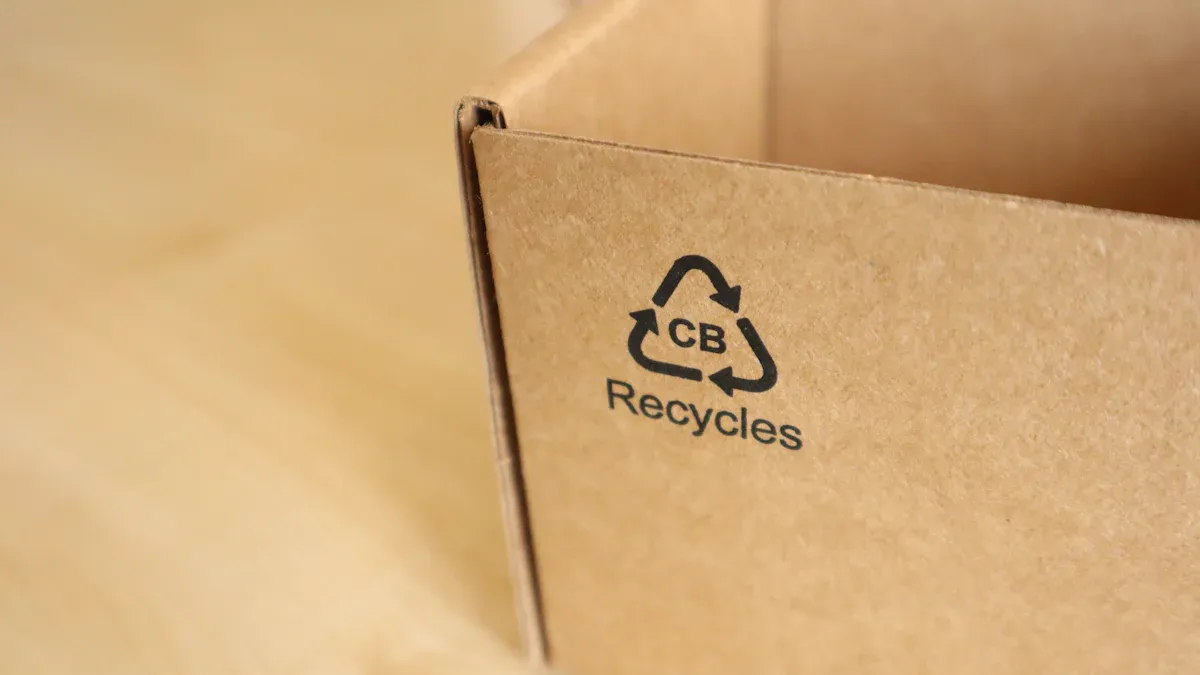
Packaging materials have also become part of brand identity. Many coffee buyers now look for recyclable or lower-impact materials before making a purchase. Businesses increasingly combine personalized graphics with Pouches Pack sustainable packaging to reduce material waste while maintaining product freshness. Brands that want to explain their material choices often include disposal instructions, recycled content percentages, or certification logos on the package. More information about environmentally responsible materials is available through Pouches Pack sustainable packaging, where different packaging options are presented for food and beverage applications.
Material selection and printed information work together. Customers can understand how to store, recycle, or dispose of the package without searching for additional instructions.
Personalization also supports storytelling. Specialty coffee buyers frequently want to know where beans were grown, how they were processed, and who produced them. A package may introduce the farm, explain the washing or natural processing method, describe elevation above sea level, or present tasting notes developed during roasting. According to surveys published by coffee industry organizations after 2022, transparency continues to influence purchasing decisions among specialty coffee consumers, especially for premium products sold online.
Packaging extends beyond physical design through QR codes and digital content. A single scan can lead customers to brewing guides, farm videos, roast dates, subscription services, or batch-specific information. Some coffee companies also include playlists, recipes, or loyalty rewards linked to individual products. These additions require little space on the package while providing more information than printed labels alone can hold.
Different markets often respond to different visual styles. A package designed for Northern Europe may emphasize simple layouts and muted colors, while products introduced in North America sometimes feature larger graphics and more descriptive front labels. Personalized packaging allows brands to adjust artwork, language, measurements, and certifications without changing the overall identity of the company. This flexibility helps international brands introduce products across multiple regions while keeping recognition consistent.
Online shopping has made packaging even more important because customers cannot touch or smell coffee before ordering. Product images become the only physical reference during the buying process. Clean photography, readable labels, and recognizable branding improve product presentation on marketplace listings, subscription websites, and social media. Packaging that photographs well also appears more frequently in customer reviews, unboxing videos, and café promotions, extending product visibility beyond the original purchase.
Coffee packaging also supports product organization inside a growing product range. A company selling 8 to 20 different coffees can assign separate visual identities for espresso blends, filter coffee, decaffeinated options, flavored varieties, and seasonal releases while keeping the same logo and typography. Returning customers become familiar with the overall brand while still identifying individual products quickly. This approach reduces confusion for retailers and simplifies shelf arrangement.
Personalized coffee packaging continues to develop alongside printing technology, sustainable materials, and consumer expectations. Companies of different sizes can introduce small production runs, regional collections, subscription editions, and product-specific information without redesigning every package. Combined with clear product information, consistent branding, practical materials, and thoughtful presentation, personalized packaging helps coffee products remain recognizable across physical stores and online marketplaces while supporting long-term customer familiarity.