From Pump to Powder: Packaging a Men's Cleanser
Packaging turns a cleanser formula into a daily routine. Pumps, tubes, foamer bottles and powder sachets change dose, contamination exposure, wet-hand handling and the meaning of 'one use,' so compatibility must be tested as part of product development.
Key takeaways
- Select packaging around formula texture and user setting.
- Define one-use dose before calculating claims or unit economics.
- Test closure, leakage, clogging and wet-hand operation after storage.
- Keep component version and formula version linked in every report.
Which package questions belong in the first brief?
State where the product will be used, whether it travels, how it is stored and what the user does with wet hands. Add target fill, expected dose and whether the pack must stand inverted. These facts narrow component choices before artwork consumes attention.
Ask who sources each component and who owns compatibility evidence. A beautiful bottle has little value if its pump output drifts, its label lifts in a bathroom or its closure traps product after each use.
How does texture guide the format?
Yunmei names Cream, Creamy, Gel, Foamy and Powdered Facial Cleanser textures. A gel may suit a tube or pump; a foamy user experience may involve a foamer mechanism; powder introduces moisture-control and dispensing questions. These are development directions, not automatic pairings.
Run the exact formula through candidate components. Viscosity, particles and storage can change output. Bench filling with water or a generic base cannot establish how the commercial product will dispense after transport and repeated use.
What should be tested on pumps and tubes?
For a men's facial cleanser, record priming strokes, average dose, dose variation, leakage, closure cleanliness and evacuation. Test after upright, inverted and side storage if those positions reflect real logistics or bathroom use.
Inspect seals and decoration as well as dispensing. Formula contact, heat and humidity can affect gaskets, print and labels. Photograph failures, but keep measured dose and sample identifiers in the report so the supplier can reproduce them.
| Texture | Likely review focus | Functional check |
|---|---|---|
| Cream/Creamy | Viscosity and evacuation | Dose consistency |
| Gel | Closure and stringing | Clean cut-off |
| Foamy | Mechanism/formula interaction | Foam output |
| Powdered | Moisture control | Metering and clumping |
What changes for powdered formats?
Powdered cleanser must stay protected from moisture while remaining easy to open and meter. Review clumping, dust, closure contamination and the user's ability to create a consistent mix. A wide opening may dispense quickly but give poor control.
Test accidental wet-hand contact and repeated opening. The package should support the instructed routine without requiring laboratory precision from the user. If dose is inherently variable, claim and usage estimates should acknowledge that range.
How is compatibility placed on the timeline?
Yunmei publishes three to six months for stability and compatibility reports. Put package selection early enough that the commercial component—not a temporary jar—enters that work. Late component changes can invalidate assumptions about dose and contact.
Track packaging lead time beside formula development. A four-to-eight-week existing-formula route can still be delayed by a custom or unavailable component, one of the timing influences named on the manufacturer's site.
How should the buyer compare component quotations?
Compare landed component cost, tooling, minimum order, spare quantity, decoration and assembly loss. A cheaper pump with a larger minimum may tie up more cash than a better-fitting option bought closer to the cosmetic production quantity.
Record ownership of unused parts. If 5,000 pumps are purchased for a 1,000-unit fill, the remaining 4,000 need an inventory location, condition checks and a plan for the next production run.
What creates a production-ready pack specification?
The specification should identify supplier, component code, colour standard, material, dimensions, output range, decoration file and approved sample. Add incoming checks that can detect the failures most important to this product.
Keep the formula and pack under linked change control. If either changes, a named reviewer decides which compatibility or functional checks repeat before units are released.
Worked example: dose changes units of use
A 100 ml pack delivering 1.0 ml per use provides about 100 uses. At 1.4 ml, it provides about 71 uses: 100 ÷ 1.4 = 71.4. That 0.4 ml dose difference reduces estimated uses by roughly 29%, so pump output belongs in both compatibility and commercial planning.
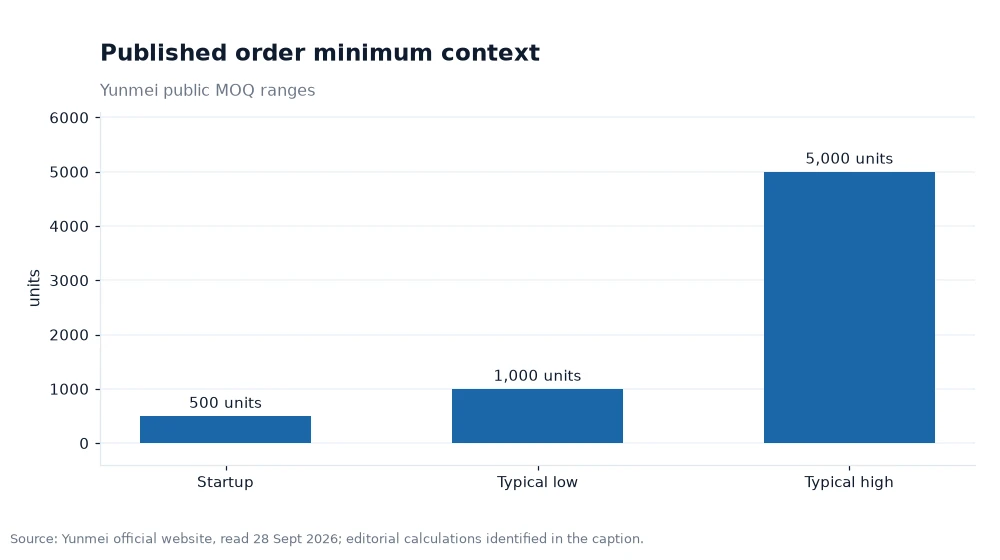
Packaging minimums may not match these cosmetic-fill quantities. Buyers should expose that mismatch before ordering components and decide who owns surplus stock.
Frequently asked questions
Can compatibility be tested in a generic bottle?
A generic pack can support early screening, but commercial approval should use the exact formula and intended component because dose, seals and material contact differ.
What should a pump test record?
Record priming, average output, variation, leakage, clogging, closure cleanliness and evacuation after relevant storage conditions.
Why link formula and component versions?
A change to viscosity, fragrance, gasket or plastic can alter function. Linked versions show which combination the report actually covers.
Treat the package as part of the formula
Choose around real use, measure output and put the commercial component through storage and handling checks. A controlled package specification makes the approved cleanser easier to reproduce. Usability review should include people who will handle the pack in realistic conditions. Ask testers to open and close it with damp hands, dispense the planned amount and leave it on a representative surface. Observe whether the cap is misplaced, whether residue collects around the opening and whether the container stays stable. Do not coach users through a difficult step; note where they hesitate. These observations can guide component selection and instruction copy. Repeat the same tasks after storage, because the first use of a new pack may not reveal a mechanism that clogs or changes output later. Include the outcomes in the product specification so quality checks reflect the actual routine. Before the project is closed, compare the approved record with the exact item being purchased. Check the version, quantity, component and evidence reference rather than relying on a remembered conversation. Ask the supplier to confirm any open assumption in writing, and save that confirmation with the quotation. If an answer changes the brief, update the sample and calendar before releasing the next commitment. This final reconciliation gives the brand a clear basis for later questions from production, quality or customer service. It also makes the next order easier to plan because the team can distinguish what was learned from what was merely assumed during the first launch. Consider the complete path from purchase to disposal when choosing a pack. A travel-size closure may need to resist pressure in luggage, while a bathroom container should remain stable on a wet shelf. Component mass, recycling instructions and refill plans can also affect the brand's environmental communication. Verify claims with packaging suppliers and the applicable market rules rather than assuming that a material label tells the whole story. User testing can reveal whether the pack is easy to empty and whether instructions are clear. Put any chosen end-of-life guidance into the approved artwork record. These details are most efficient to resolve while the component is still being selected, before tooling or printed decoration makes changes costly. Review Yunmei’s OEM/ODM manufacturing overview and use the same written brief for every sample round.
Cleanser formats and business ranges were taken from Yunmei's website on 28 Sept 2026; dose examples and packaging checks are independently calculated or illustrative.[1].